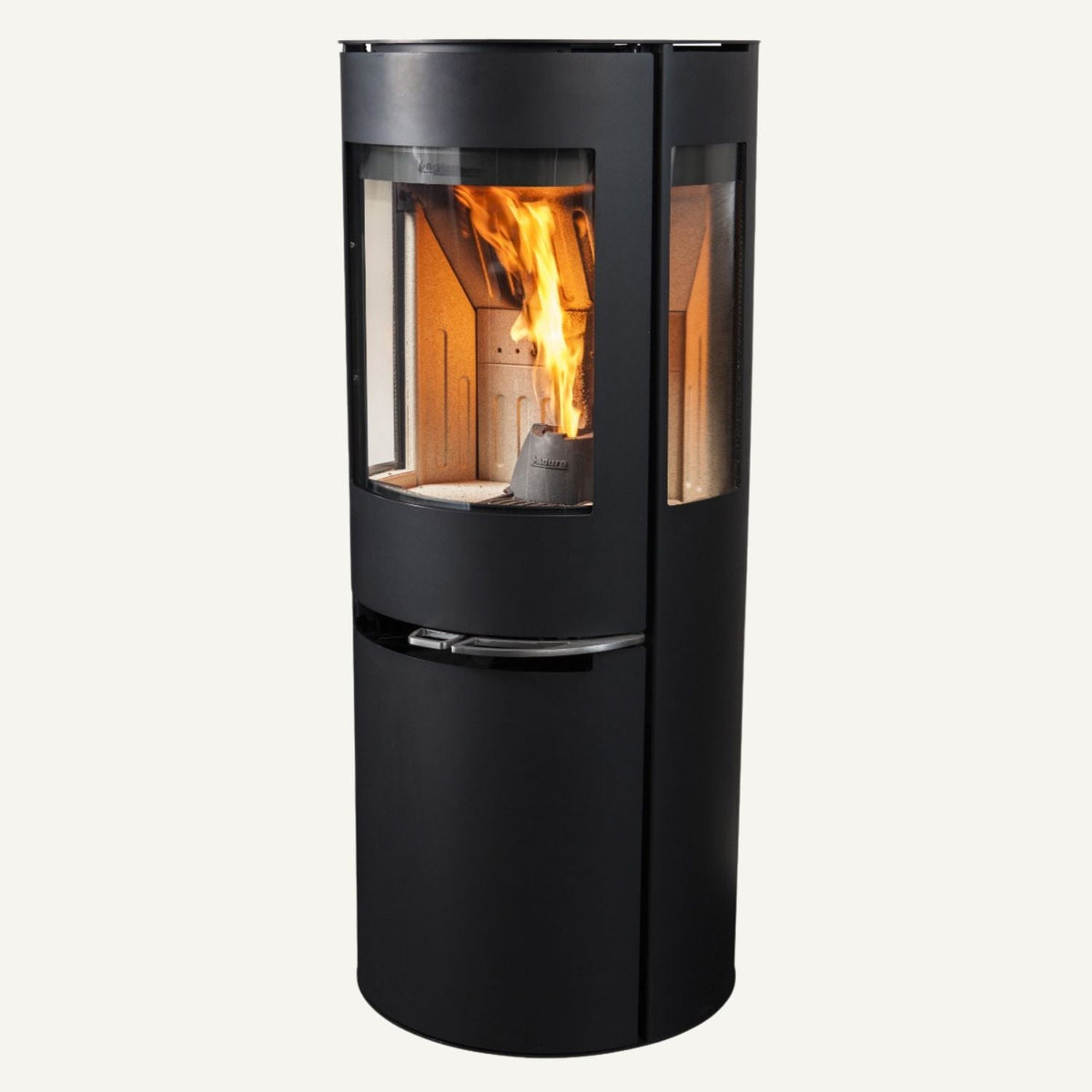
When the wood is burned
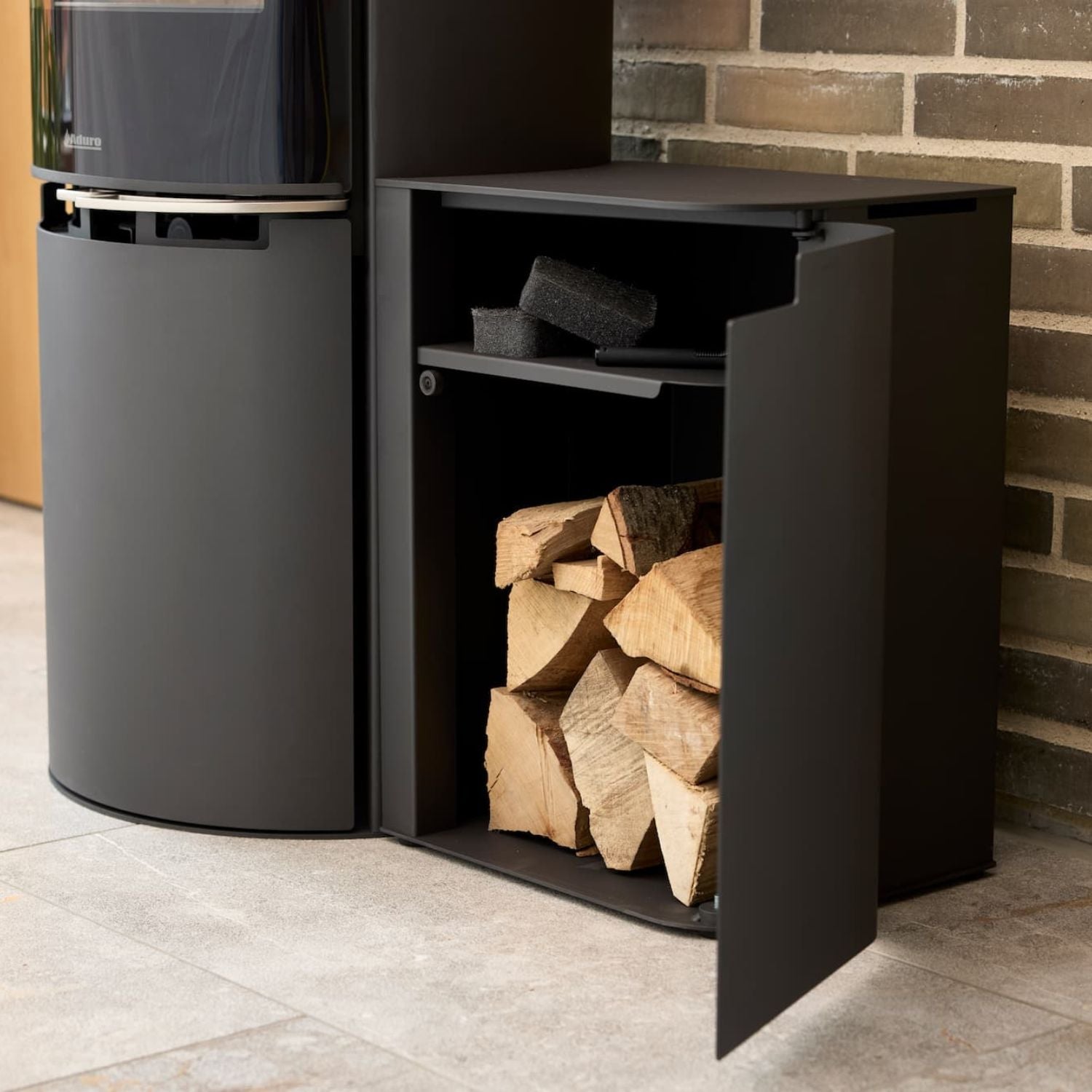
When burning the wood, the wood releases the same amount of CO2 as it would have done in nature – neither more nor less (source 1).
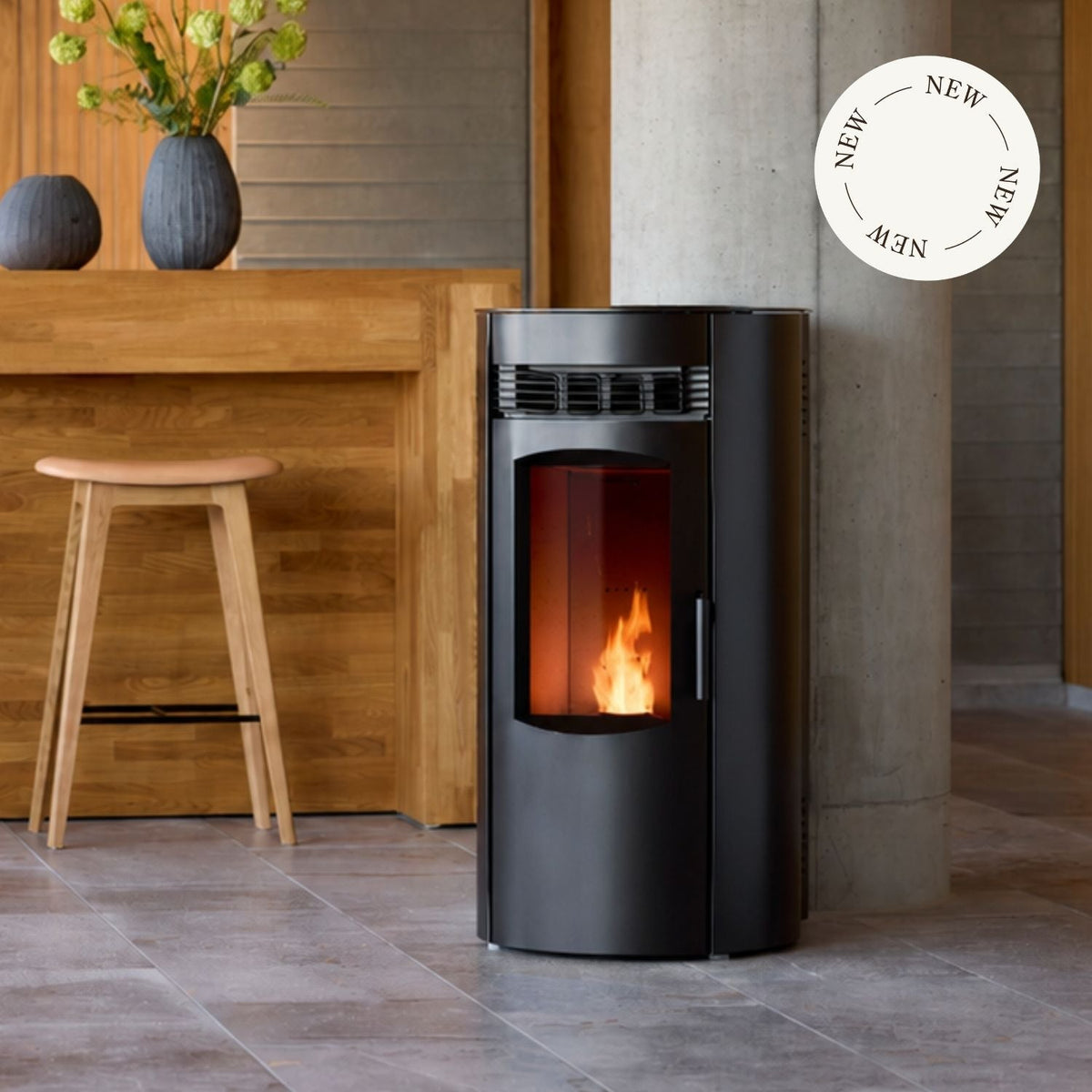
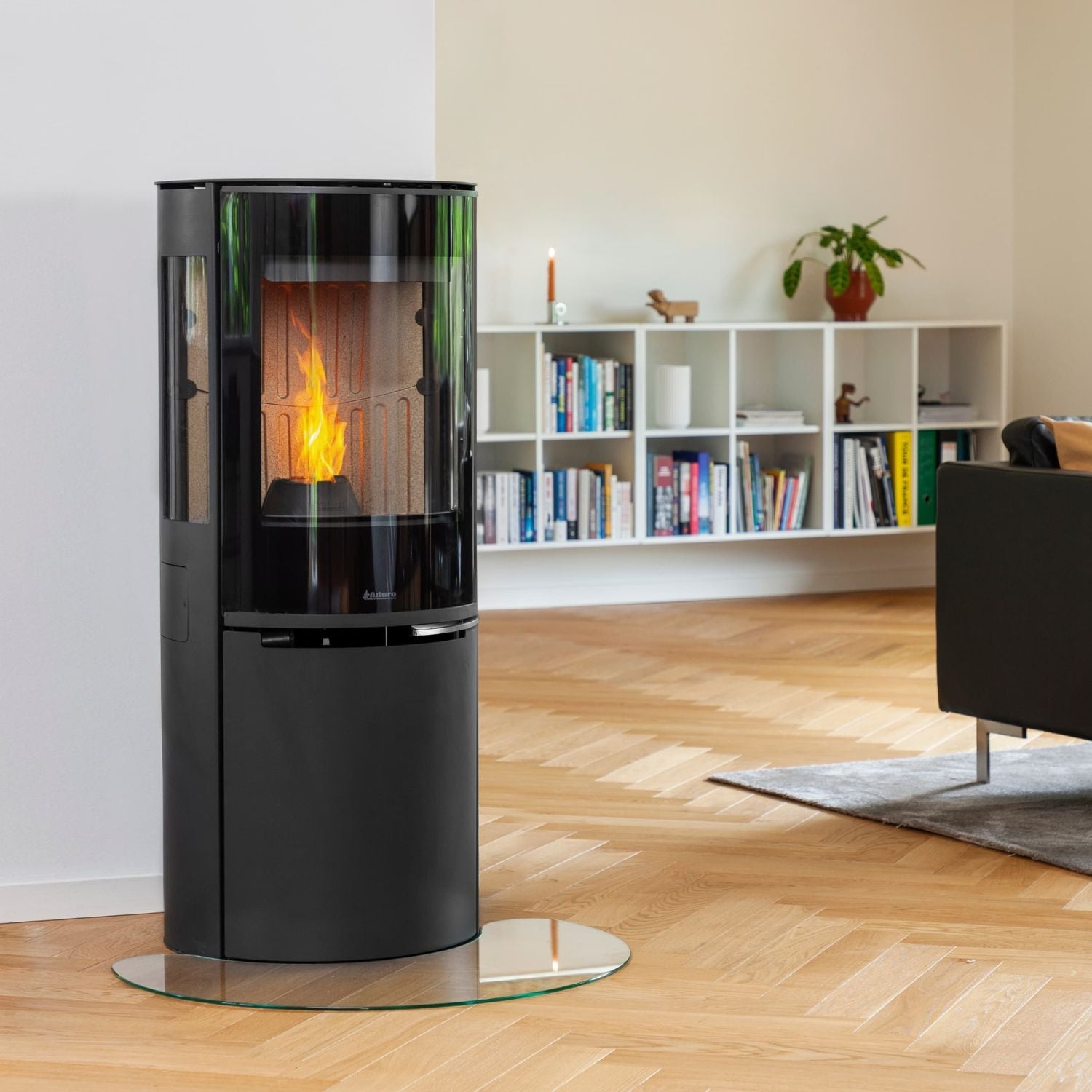
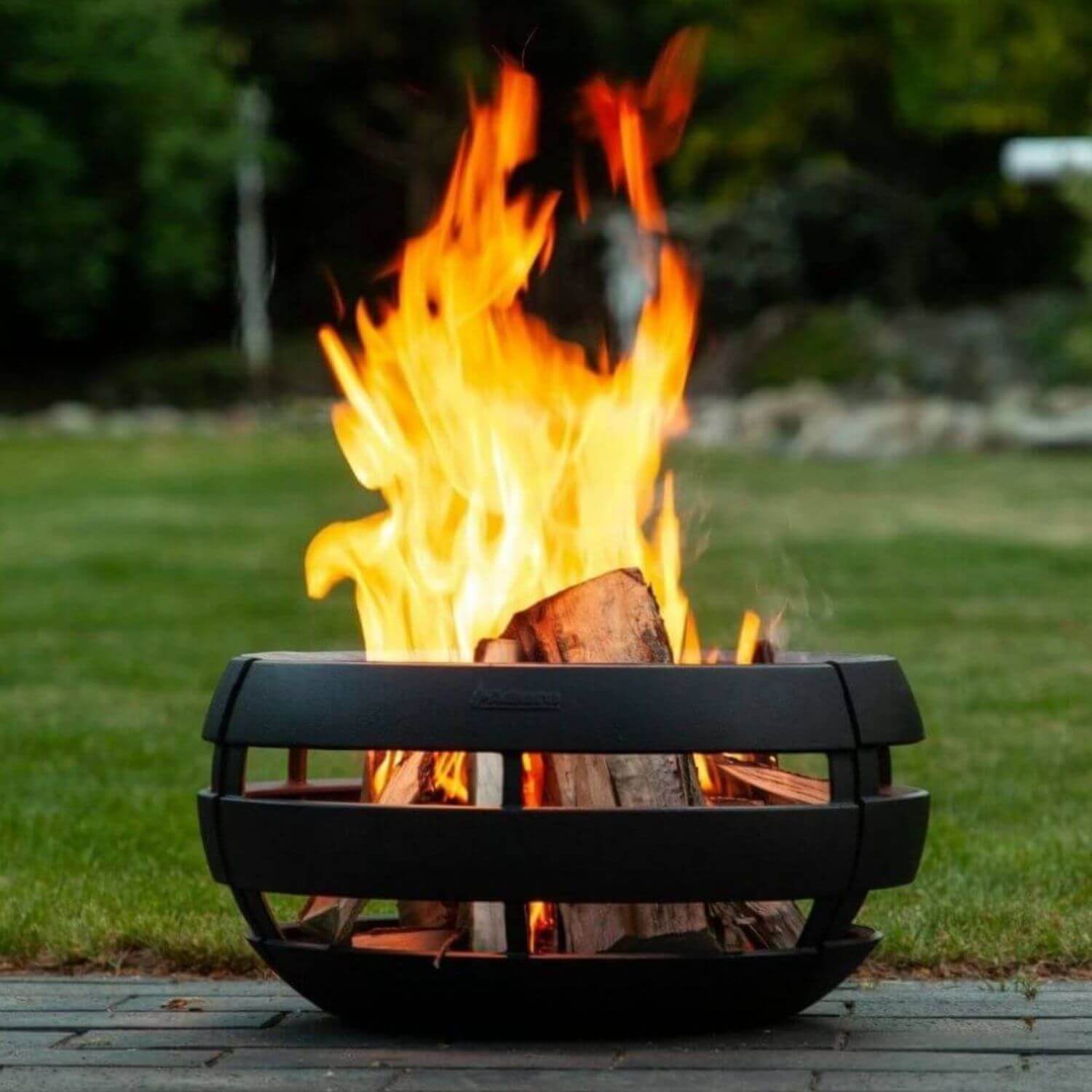
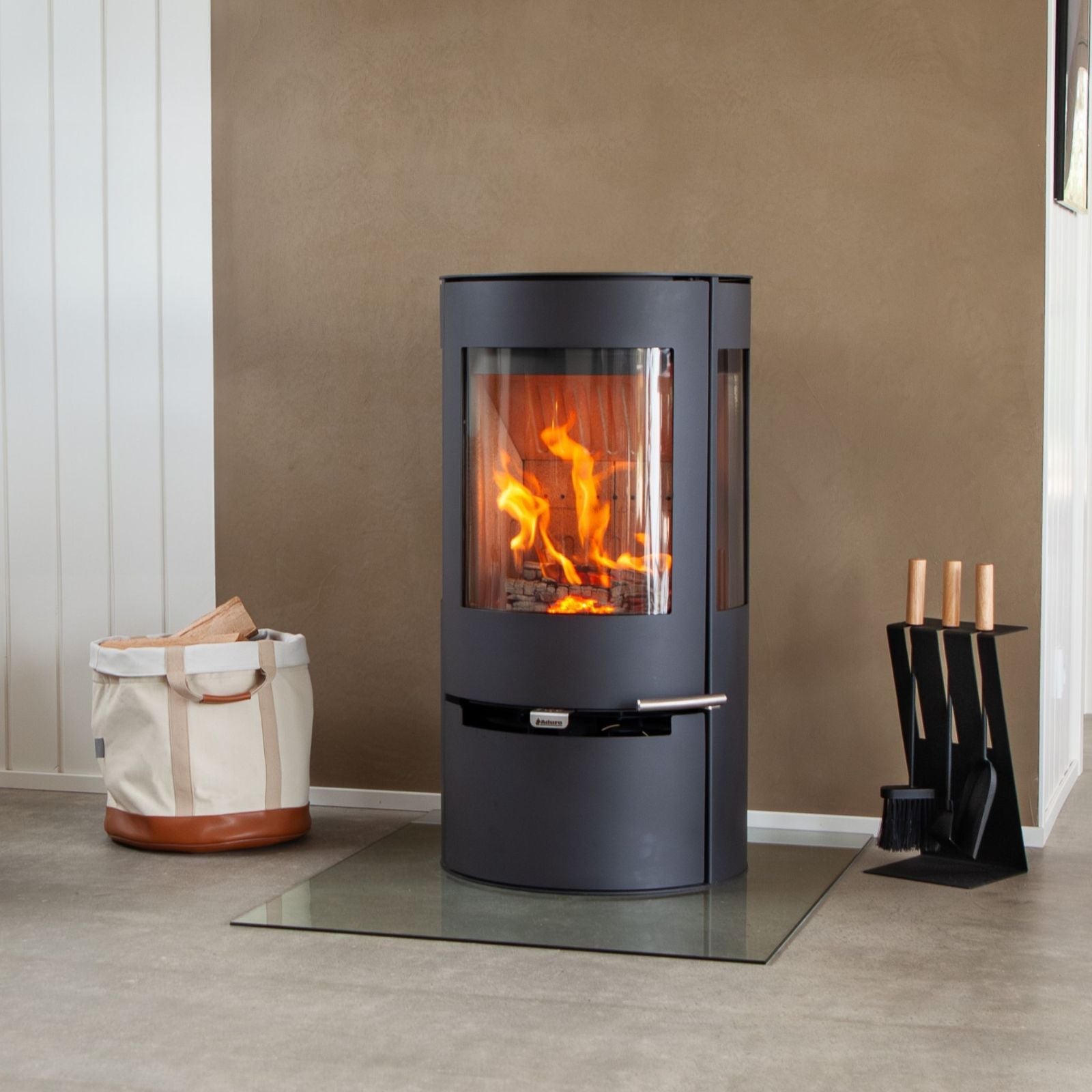
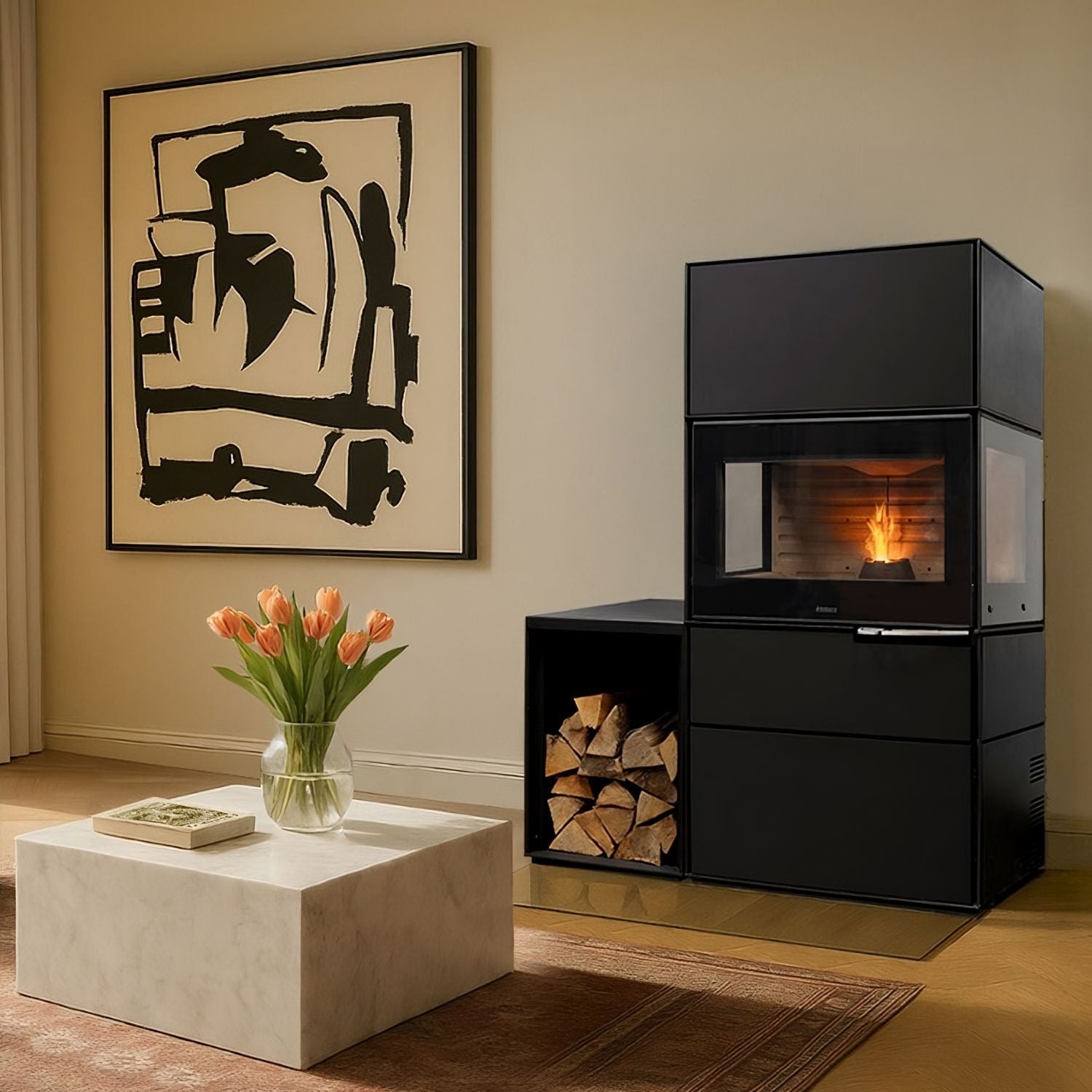
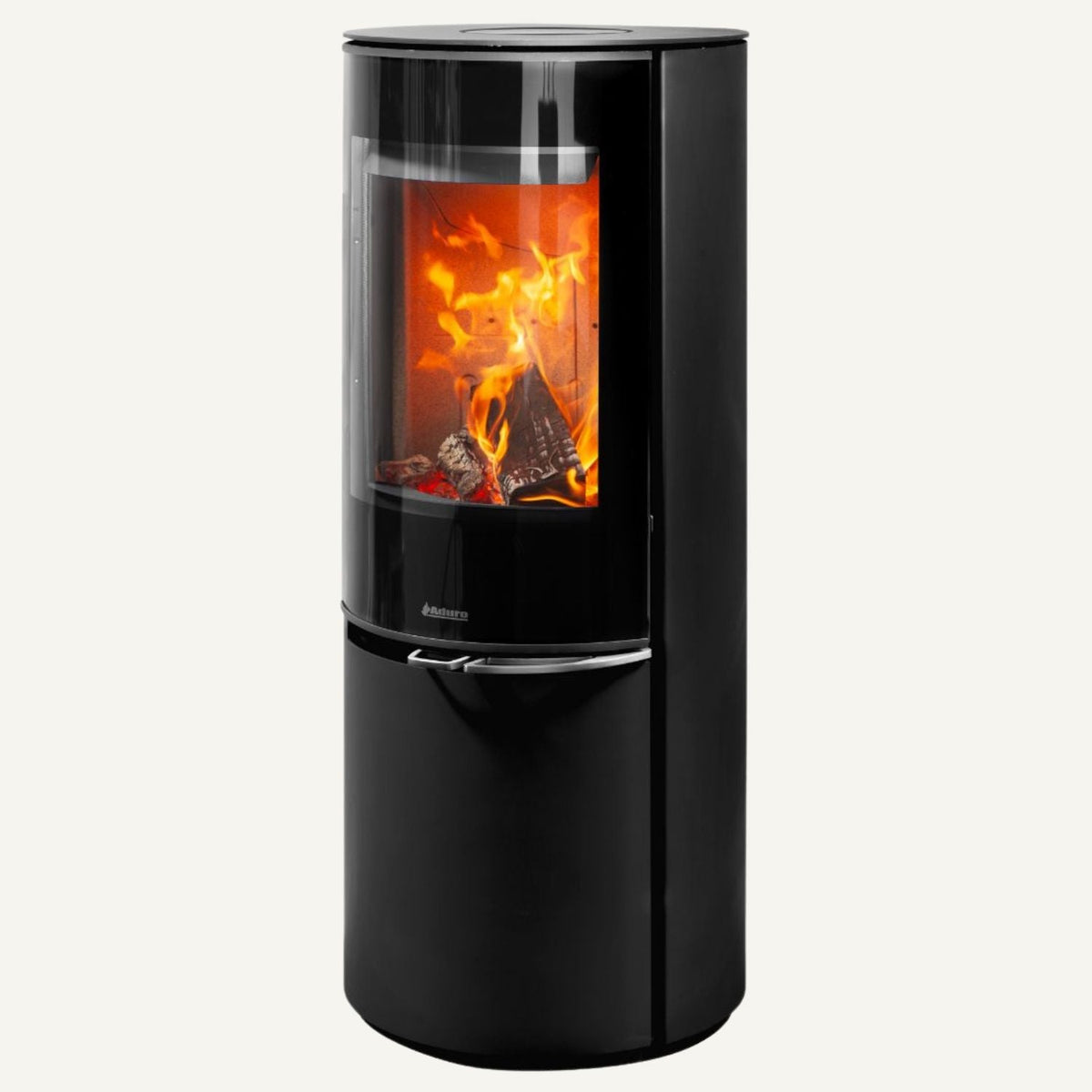
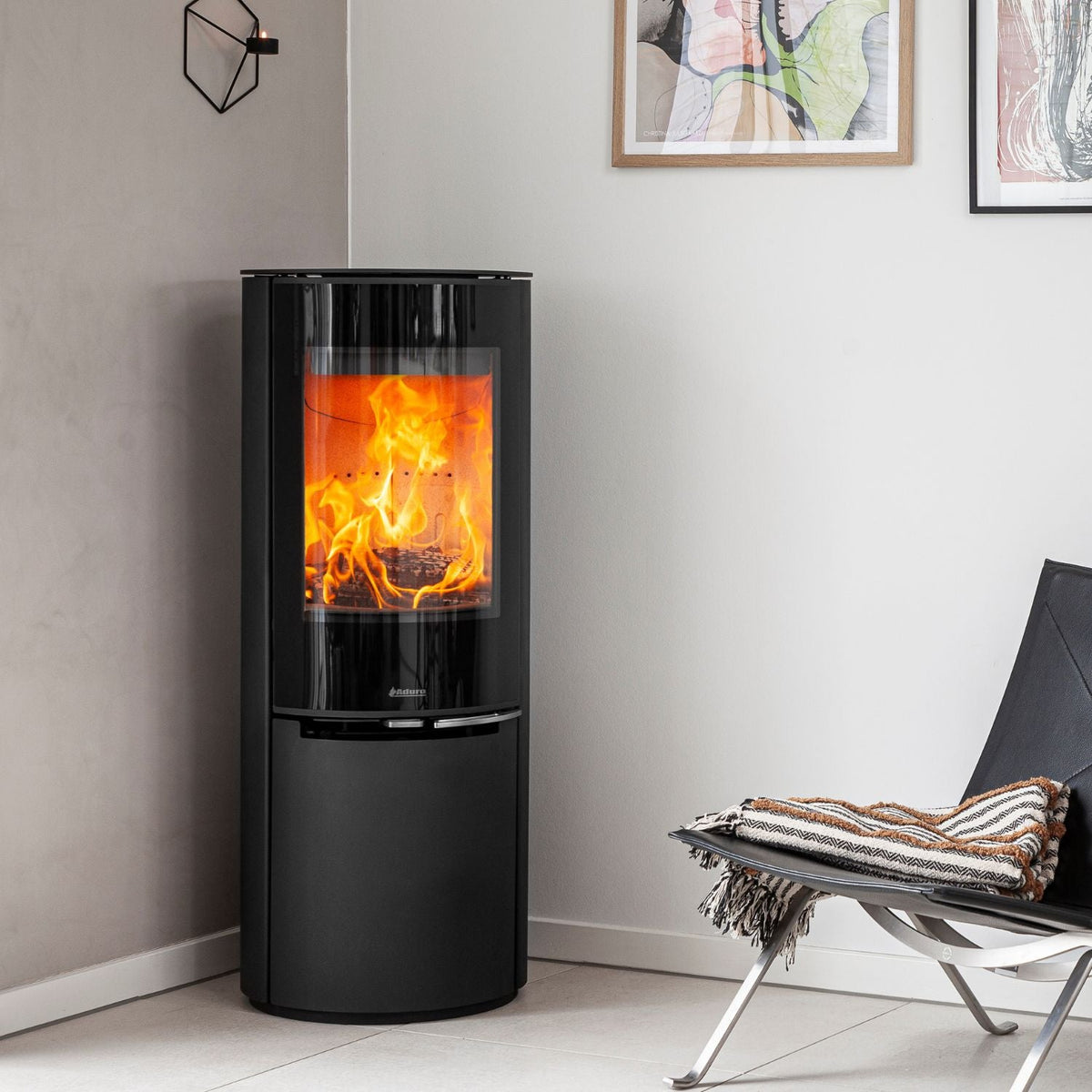
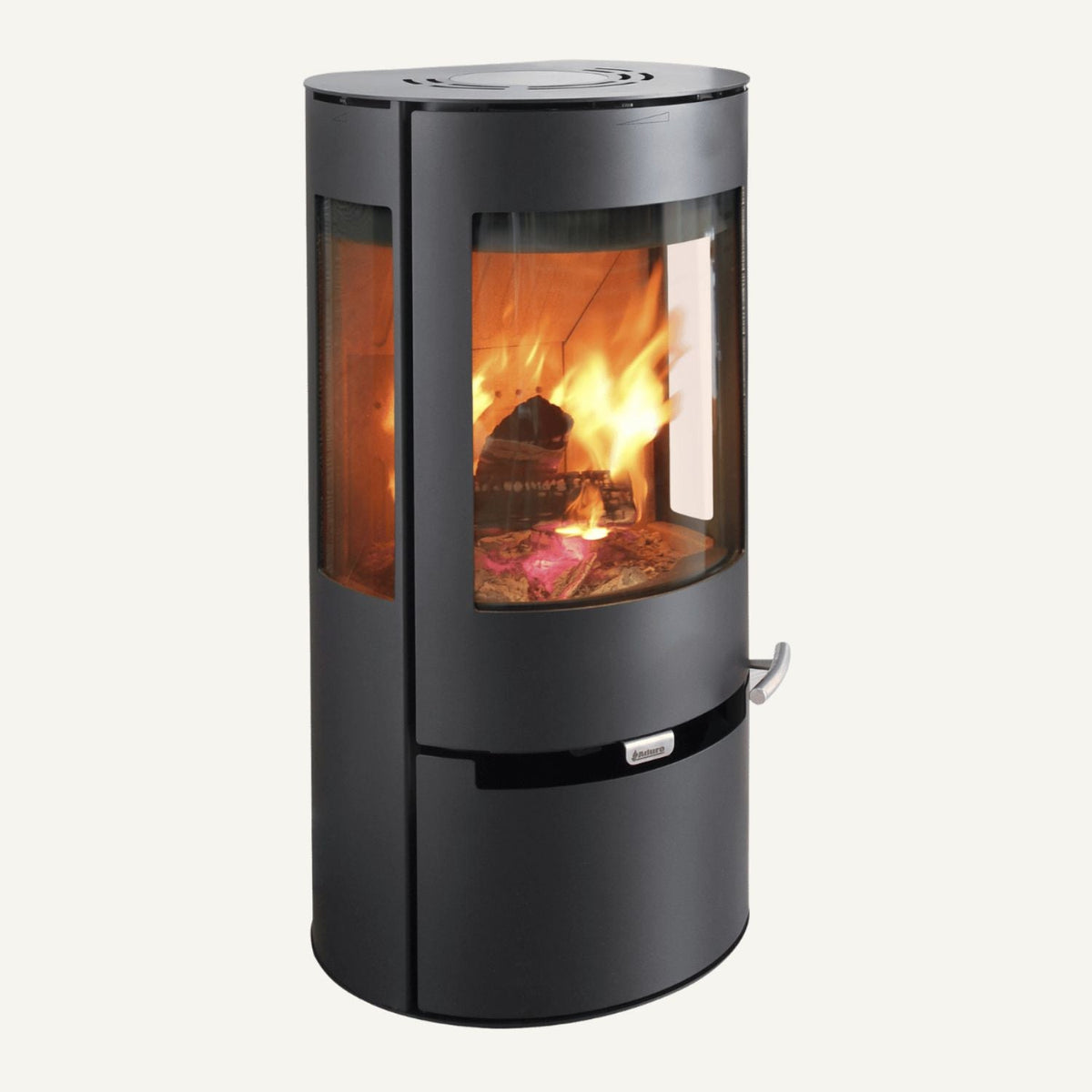
There is a very big difference in how well the firewood is utilised. An open fireplace might only use 10-15% of the wood's energy (source 2), while an environmentally approved wood-burning stove or pellet stove with an efficient combustion provides heat equivalent to 75-88% of the wood's energy. Meaning, that with a modern stove, you need less firewood to get the same heat.
You can also ensure the lowest possible particle emission yourself by firing correctly. That is, with a modern wood or pellet stove, and the recommended type of firewood, lighting method, air supply, chimney draft, etc.
A climate-friendlier heat source
Burning wood is climate-friendlier compared to other heat sources such as oil, electricity, and gas. If you use your wood-burning stove as a supplementary heat source, you can reduce the CO2- emissions. Calculate your CO2 reduction here.